Aluminum Foundry Automation Trends Shaping the Industry
Wiki Article
The Scientific Research Behind Aluminum Spreading: What Makes It Perfect for Complex Designs?
Aluminum casting provides a remarkable intersection of product scientific research and engineering. Its lightweight and flexible features provide themselves to detailed designs that lots of various other materials can not accomplish. The one-of-a-kind fluidity of aluminum throughout the spreading process permits accuracy in complex geometries. As industries progressively transform to light weight aluminum for innovative applications, comprehending its residential or commercial properties and benefits ends up being necessary. What details techniques and processes improve its abilities in this area?The One-of-a-kind Characteristics of Aluminum
Aluminum, a lightweight steel, is renowned for its special properties that make it highly versatile in various applications. Its low density adds to its lightweight nature, enabling ease of dealing with and transportation. Additionally, aluminum shows superb deterioration resistance as a result of the formation of a safety oxide layer, which enhances its sturdiness in diverse atmospheres. The metal likewise flaunts exceptional thermal and electric conductivity, making it an optimal option for applications needing efficient heat dissipation and electric transmission.An additional considerable property of aluminum is its pliability, which allows it to be conveniently shaped into complex layouts without damaging. This characteristic is particularly advantageous in manufacturing procedures where intricate kinds are required. In addition, light weight aluminum can be recycled forever without loss of top quality, highlighting its sustainability. Collectively, these one-of-a-kind features highlight aluminum's essential function in numerous markets, from aerospace to consumer items, verifying its standing as a favored material in contemporary design.
Advantages of Aluminum in Casting
While many steels can be made use of in spreading, the benefits of light weight aluminum attract attention because of its mix of light-weight homes and remarkable fluidness. This light-weight characteristic enables simpler handling and transport of cast elements, reducing general manufacturing prices. Additionally, light weight aluminum's outstanding fluidness makes it possible for detailed styles and complicated geometries to be achieved, making it perfect for applications in different industries, including auto and aerospace.Additionally, aluminum flaunts premium deterioration resistance contrasted to several other metals, making sure durability and resilience in difficult atmospheres. Its recyclability better boosts its allure, as it can be repurposed without considerable loss of top quality, adding to sustainable manufacturing techniques. The electric and thermal conductivity of light weight aluminum additionally facilitates efficient warmth dissipation and makes it ideal for electrical applications. In general, these advantages setting light weight aluminum as a favored material in casting processes, providing both useful advantages and financial stability.
Introduction of Light Weight Aluminum Spreading Processes
Aluminum casting includes various methods, particularly die spreading and sand casting techniques. Each process is and uses distinctive advantages fit for various applications. Recognizing these approaches is crucial for enhancing production and achieving wanted product properties.Die Casting Techniques
Die spreading methods play a crucial duty in the aluminum casting market, providing efficient and specific techniques for generating intricate shapes. This process involves forcing molten light weight aluminum into a mold tooth cavity under high stress, guaranteeing a high level of detail and dimensional precision. There are two key die casting approaches: hot chamber and chilly chamber. Warm chamber pass away spreading is appropriate for low-melting-point alloys, utilizing a submerged chamber to inject the steel, while cool chamber die casting is suitable for aluminum, where the molten steel is put right into a separate chamber before shot. Both techniques boost manufacturing speed and lower material waste, making pass away casting an outstanding option for industries needing high-grade aluminum elements with complex designs.Sand Casting Techniques
Sand spreading techniques work as an essential technique in the aluminum casting landscape, making it possible for the manufacturing of intricate parts with relative simplicity. This process involves developing a mold from a blend of sand and a bonding agent, which can be shaped to create intricate geometries. When the mold and mildew is ready, liquified aluminum is put right into it, enabling specific duplication of the preferred part. After cooling down, the sand mold and mildew is broken away, exposing the ended up spreading. Sand spreading is especially useful due to its cost-effectiveness, adaptability, and capacity to handle huge or little productions. It is widely made use of in sectors requiring customized components, from vehicle to aerospace, making it an important method in light weight aluminum spreading applications.Precision and Intricacy in Design
While the complexities of layout may vary considerably throughout sectors, the need for precision in aluminum spreading stays a constant. The capability to produce complex geometries with limited tolerances makes aluminum casting an ideal selection for designers and designers. The casting procedure permits thorough attributes, such as detailed patterns and fine information, which are frequently challenging to attain with various other producing methods.
click here to read
Applications of Aluminum Spreading Across Industries
The adaptability of light weight aluminum spreading enables it to cater to a vast array of industries, from vehicle to aerospace and past. In the vehicle field, aluminum castings are used for engine parts, transmission real estates, and architectural parts, boosting fuel performance and efficiency. Aerospace applications gain from light weight aluminum's lightweight qualities, with cast components being essential to aircraft frameworks and engine parts, adding to total weight reduction and fuel cost savings.Additionally, the building industry utilizes aluminum casting for complex architectural elements and components, while customer electronics utilize it for real estates and interior elements that call for accuracy. The aquatic market likewise uses light weight aluminum spreadings for their resistance to corrosion, making them optimal for watercraft hulls and engine parts. On the whole, the applications of aluminum casting are diverse, driven by its unique properties such as toughness, light-weight nature, and capacity to you could look here form detailed layouts, satisfying the specific needs of numerous markets successfully.
Future Trends in Aluminum Spreading Technology
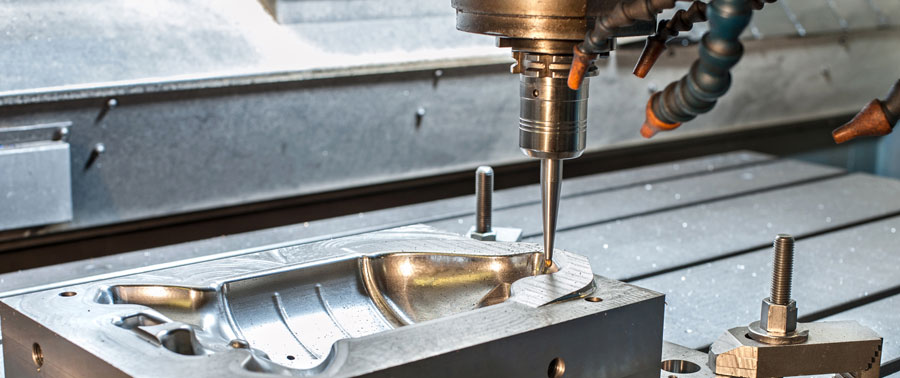
The future of aluminum casting modern technology is positioned to be formed by increased automation in casting procedures, which guarantees to boost performance and precision. Additionally, the advancement of advanced alloys is expected to increase the material homes and applications of aluminum spreadings - Precision Aluminum Casting. With each other, these patterns suggest a considerable advancement in the abilities and performance of light weight aluminum castingAutomation in Casting Procedures

Advanced Alloys Growth
Current developments in automation have actually established the stage for cutting-edge developments in light weight aluminum alloys, reflecting a broader fad in casting innovation. Scientists and producers are increasingly concentrated on producing high-performance alloys that boost stamina, corrosion resistance, and thermal conductivity. These sophisticated alloys make it possible for the production of lighter components without endangering longevity, attending to the growing demands of industries like auto and aerospace. The combination of additive manufacturing strategies better enhances alloy advancement, permitting tailored make-ups and intricate geometries. Additionally, continuous research right into recyclable light weight aluminum alloys straightens with sustainability goals, lowering environmental effect. As these patterns proceed, the future of aluminum casting promises official statement to supply much more efficient, flexible remedies efficient in meeting diverse design challenges.Frequently Asked Concerns
How Does Aluminum Spreading Contrast to Other Metals in Layout Adaptability?
Aluminum casting offers exceptional style versatility contrasted to various other steels, enabling elaborate shapes and lightweight structures. Its fluidity during the casting process allows the manufacturing of complex geometries that are challenging with materials like steel or iron.What Are Common Defects in Aluminum Casting and How Are They Avoided?
Typical problems in aluminum casting include porosity, shrinkage, and inclusions - Precision Aluminum Casting. Prevention methods involve correct mold design, temperature control, and making use of high-grade products, making sure excellent problems during the casting process to accomplish defect-free elementsCan Aluminum Spreading Be Recycled, and Just How Does It Effect the Atmosphere?
Aluminum casting can be reused efficiently, significantly decreasing energy consumption and source deficiency. This recycling process decreases environmental impact, advertising sustainability by reducing land fill waste and reducing greenhouse gas emissions linked with main aluminum manufacturing.What Is the Common Life Expectancy of Aluminum Cast Parts in Various Applications?
Aluminum cast parts normally have a life expectancy varying from 10 to 50 years, depending on their application and ecological conditions - Precision Aluminum Casting. Elements such as upkeep, exposure, and use to harsh components significantly affect their sturdiness and long lifeHow Does Temperature Level Impact the Light Weight Aluminum Casting Refine and Last Item?
Temperature substantially influences the light weight aluminum spreading process, impacting fluidness, solidification time, and microstructure. Higher temperatures boost mold filling, while reduced temperature levels can result in flaws, inevitably identifying the end product's stamina and durability.Aluminum casting incorporates numerous strategies, particularly die spreading and sand spreading approaches. Pass away casting strategies play an essential role in the aluminum casting market, providing reliable and specific approaches for producing complicated shapes. Warm chamber pass away spreading is appropriate for low-melting-point alloys, making use of an immersed chamber to infuse the steel, while cold chamber die casting is suitable for light weight aluminum, where the molten steel is put right into a separate chamber before injection. Sand casting methods serve as a fundamental technique in the aluminum casting landscape, enabling the manufacturing of detailed parts with loved one convenience. As sectors look for better performance and accuracy, automation is positioned to reinvent light weight aluminum spreading processes.
Report this wiki page